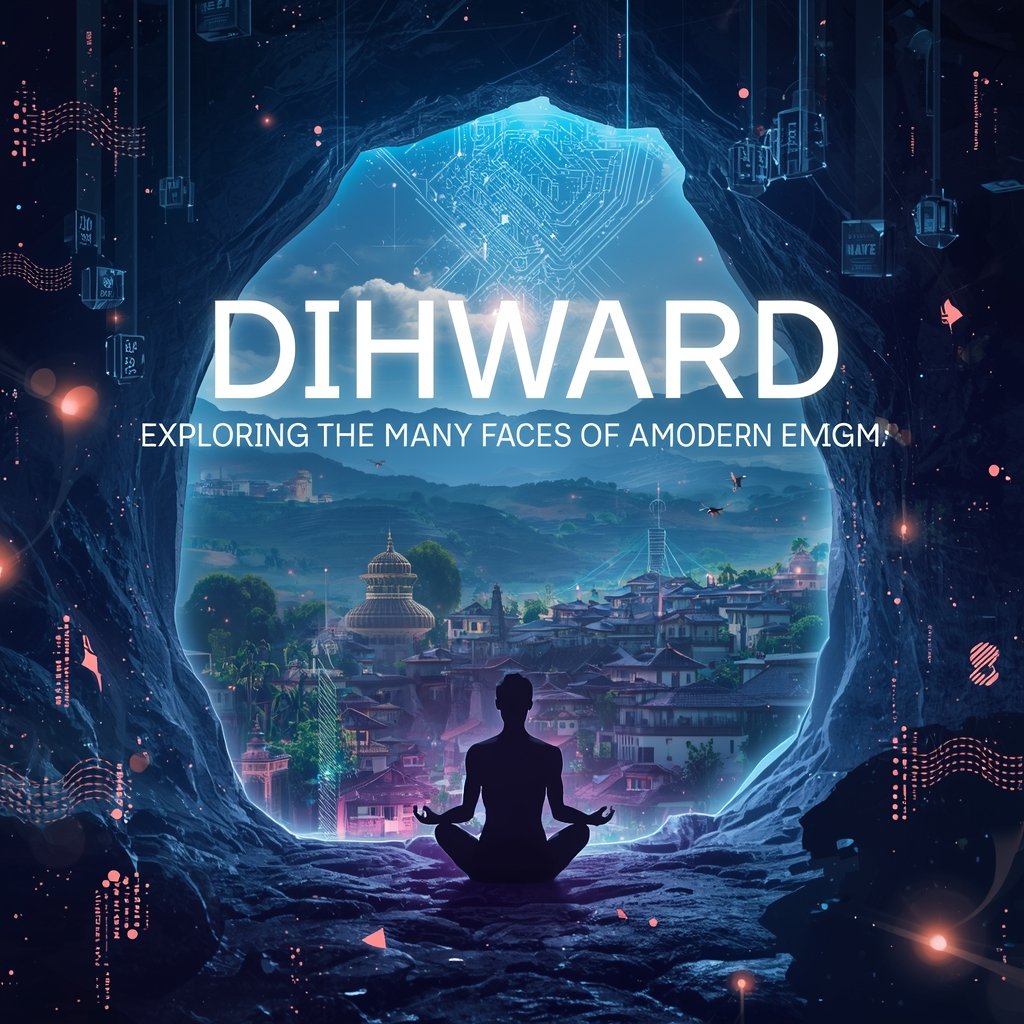
In the fast-paced digital landscape of 2025, new terms like dihward emerge seemingly overnight, capturing attention across online communities, brands, and cultural discussions. If you’ve stumbled upon “dihward” in social media posts, blog articles, or product descriptions and wondered what it really stands for, you’re in the right place. This comprehensive guide dives deep into its multifaceted world, exploring possible origins, diverse interpretations, practical applications, and growing cultural significance. What started as an obscure word has evolved into a symbol of innovation, adaptability, and identity. Whether it’s referenced as a hidden travel spot, a cutting-edge digital platform, a mindset for personal growth, or a lifestyle brand, its flexibility is its greatest strength. By the end of this article, you’ll not only understand the concept but also see how it can apply to your own life or work. Let’s unpack this modern enigma step by step.
The Origins: Tracing Its Roots
The story is as elusive as it is intriguing. Unlike established words with clear etymologies, dihward doesn’t appear in traditional dictionaries yet. Based on online searches and community discussions, it seems to have surfaced around the early 2020s, gaining momentum in 2025 through viral content and niche platforms. One leading theory is that it is a portmanteau or stylized variation blending “digital” with “ward” (meaning to guard or protect). This could stem from tech communities where terms like this are coined to describe secure, innovative digital ecosystems. For instance, some early mentions link it to cybersecurity and cloud integration, suggesting it originated in software development forums or startup pitches.
Another perspective points to geographical roots. Travel blogs and maps occasionally reference Dihward as a small village in Iran, known for its scenic landscapes and cultural heritage. If this is the case, the term might have been adopted digitally as a metaphor for “guarded treasures” or hidden gems—evolving from a place name into a broader concept.
Cultural linguists speculate it could be an intentional neologism, similar to how “phygital” (physical + digital) or “glamping” (glamorous camping) entered our lexicon. In online spaces like Reddit, X (formerly Twitter), and TikTok, users have repurposed it for usernames, hashtags (#DihwardVibes), and memes, accelerating its spread. Without a single inventor claiming credit, it exemplifies how internet culture creates shared language organically. Despite the ambiguity, its rise aligns with global trends: post-pandemic emphasis on digital tools, remote work, and personal reinvention. In 2025, with AI and virtual reality reshaping interactions, it fits perfectly as a term for “protected innovation” or “adaptive identity.”
Breaking Down the Meanings
Its appeal lies in its chameleon-like nature—it adapts to the context. Here’s a closer look at primary interpretations drawn from online sources and user experiences:
-
As a Place: A Hidden Cultural Gem
In travel and geography circles, it refers to a quaint village in Iran, nestled in regions rich with history. Descriptions paint it as an off-the-beaten-path destination with:
-
Stunning natural beauty: Rolling hills, traditional architecture, and serene landscapes ideal for eco-tourism.
-
Cultural heritage: Local traditions, artisan crafts, and community festivals that offer authentic experiences away from crowded tourist spots.
-
Modern touches: Growing infrastructure blending old-world charm with contemporary amenities, making it appealing for digital nomads.
Travelers on platforms like TripAdvisor or travel blogs highlight it for its sense of discovery—perfect for those seeking respite from urban hustle.
-
As a Digital Platform: Unifying Tech Ecosystems
The most prominent digital interpretation positions it as a comprehensive platform for streamlining workflows. Websites like dihward.net describe it as an “operating system for modern work,” integrating:
-
Core technologies: AI-driven tools, cloud storage, cybersecurity, and digital marketing features.
-
Collaboration essentials: Project management, real-time chat, scheduling, and file sharing in one interface.
-
User benefits: Reduced app-switching, enhanced security, and seamless team coordination.
For businesses, this means fewer logins and more efficiency—ideal for remote teams or startups. Reviews praise its intuitive design, with users noting up to 30% time savings in daily tasks.
-
As a Concept or Mindset: Symbolizing Resilience and Adaptability
Beyond tangible uses, it embodies a philosophical approach. In motivational blogs and self-help communities, it symbolizes:
-
Forward momentum: Always progressing, like “warding off” stagnation.
-
Resilience: Guarding one’s identity while adapting to change.
-
Creativity: Rearranging ideas (mirroring the word’s possible anagram origins) for innovative solutions.
This mindset resonates in personal development circles, where it encourages embracing uncertainty. Entrepreneurs might adopt a “strategy” to pivot during market shifts, emphasizing ethical growth and balance.
-
As a Brand: Lifestyle and Consumer Innovation
In e-commerce and lifestyle branding, it represents user-centric experiences. Brands using the term focus on:
-
Interactive shopping: 360° product views, detailed specs, and AI-guided recommendations.
-
Consumer empowerment: Reviews, comparisons, and personalized assistance.
-
Ethical focus: Sustainable materials and transparent practices.
This interpretation appeals to shoppers seeking more than products—a full experience. It’s common in fashion, home goods, and wellness sectors, signaling modern, thoughtful design.
How It Is Used Across Industries
Its versatility shines in real-world applications:
-
Technology: As a platform, it’s used for integrated workflows. Case study: A startup reduced tool costs by 40% using its all-in-one features.
-
Marketing: Hashtags like #DihwardInnovation help campaigns go viral.
-
Travel: Blogs promote the village for authentic trips, with itineraries including cultural tours and local cuisine.
-
Personal Growth: Coaches incorporate it as a mantra in workshops, helping clients build adaptive habits.
-
Health: Emerging uses tie it to “digital health ward,” like apps for mental resilience.
To try it yourself: If it’s a platform, sign up for a free trial; as a mindset, journal daily “moments” of innovation.
Cultural Significance in 2025
In a year dominated by AI ethics, hybrid work, and cultural fusion, it captures the zeitgeist. It reflects:
-
Digital Identity: In an era of avatars and online personas, it symbolizes protected, authentic self-expression.
-
Global Connectivity: Blending Iranian roots with tech applications shows how terms transcend borders.
-
Ethical Innovation: Emphasis on “warding” implies safeguarding values amid rapid change.
Culturally, it’s part of a larger trend where words like “phygital” or “quiet quitting” define generations. It promotes resilience in uncertain times, making it relevant for post-2020 recovery.
Advantages and Benefits
Whether as a place, platform, or concept, it offers tangible perks:
| Category | Key Benefits | Who It Helps |
|---|---|---|
| Place | Cultural immersion, scenic escape, authentic experiences | Travelers, adventurers |
| Platform | Streamlined workflows, cost savings, enhanced security | Businesses, remote workers |
| Concept | Boosted resilience, creative thinking, personal growth | Individuals, entrepreneurs |
| Brand | Innovative shopping, personalized experiences, ethical choices | Consumers, shoppers |
Overall, it reduces complexity while fostering creativity—leading to calmer minds and more efficient lives.
Challenges and Potential Drawbacks
No term is perfect. Challenges include:
-
Ambiguity: Multiple meanings can confuse newcomers.
-
Overuse: Risk of becoming buzzword jargon, losing impact.
-
Accessibility: As a platform, it might have a learning curve; as a place, travel limitations apply.
To overcome: Research context-specific uses and start small.
How to Incorporate It Into Daily Life
Practical steps:
-
Tech: Explore platforms for work tools—integrate AI for tasks.
-
Travel: Plan a trip to the village; pack for cultural respect.
-
Mindset: Practice daily: Identify one action, like adapting a routine.
-
Branding: Use it in social bios or product names for uniqueness.
Pro tip: Join online communities (e.g., Reddit’s r/Dihward) for tips.
The Future
By 2030, it could mainstream:
-
Tech Evolution: AI-enhanced versions for smarter integration.
-
Cultural Spread: Global festivals or apps inspired by it.
-
Sustainability Tie-In: Ethical brands focusing on eco-adaptation.
Its future lies in continued community shaping.
Frequently Asked Questions
-
What is the primary meaning? It varies but centers on freshness, protection, and innovation.
-
Is it a real place? Yes, a village in Iran; also metaphorical.
-
How do I use it in business? As a platform for efficiency or a brand for uniqueness.
-
Why is it trending in 2025? It aligns with digital transformation and personal resilience.
Conclusion: Embrace the Spirit
It is a testament to how words evolve in our connected world—adaptable, meaningful, and multifaceted. Whether drawn to its cultural roots, tech applications, or philosophical depth, it invites you to think freshly and protect what matters. In 2025, adopting this approach could be your key to thriving.